

Veg Capsule
Holy Basil Extract
Stress Resistance
$18.00
$0.60 a day · 30-day supply
Tulsi is the everyday adaptogen of Ayurveda, taken to support the body through demanding stretches.
In depth
About this supplement
What Is Holy Basil?
Holy basil, or tulsi, is an aromatic shrub of the mint family grown at doorsteps and in temple courtyards across India. Crush a leaf and it smells of cloves — that is eugenol, the same compound that gives cloves their scent. The leaf is the part used.
How It Works in the Body
The leaf's chemistry is easy to state. Its volatile oil is largely eugenol, with beta-caryophyllene alongside it. The non-volatile side holds rosmarinic acid, a phenolic shared with rosemary, and triterpenes including ursolic and oleanolic acid. This extract is standardized for ursolic acid.
Ayurveda classes tulsi as a rasayana — a herb taken daily over long stretches — and the usual form is a leaf tea.
What It Supports
- The body under strain: Tulsi is the everyday adaptogen of Ayurveda, taken to support the body through demanding days.
- A calm, balanced mood: Its traditional place is the morning cup, taken to support a calm, balanced mood.
- Aromatic plant oils: Eugenol gives the leaf its clove-like scent and defines its volatile oil.
- Plant phenolics: Rosmarinic acid puts tulsi in the same phenolic company as rosemary and sage.
Who It May Suit
It suits people with full, demanding weeks who want a traditional botanical rather than caffeine. Tulsi tea drinkers who want the leaf in a simpler form will recognize it. The capsule is cellulose, so vegetarian and vegan eating is covered.
Good To Know
The extract keeps the leaf's clove-like aroma, which is strong and not for everyone. Talk with your healthcare provider before use if you take a blood thinner or antiplatelet medication, or medication for blood sugar, since tulsi may add to both effects, and before any scheduled surgery. Avoid it during pregnancy and nursing.
At a glance
Allergens and certifications
-
01
Vegan
-
02
Kosher
-
03
Non-GMO
-
04
Gluten free
FAQ
Common questions
What is holy basil?
A member of the mint family, Ocimum tenuiflorum, native to the Indian subcontinent and grown there in courtyards and on balconies. It is a different species from the sweet basil of Italian cooking, with smaller, hairier leaves and a sharper, clove-like smell. Tulsi is its Sanskrit name.
How is it used?
Traditionally as a daily tea: fresh or dried leaves steeped in hot water and drunk in the morning. Ayurveda places it among the rasayana herbs, the ones taken steadily over long periods rather than for a short stretch. The capsule is a concentrated version of that same leaf.
What makes this extract different?
It is a leaf extract standardized for ursolic acid, a triterpene found in the waxy surface of many leaves and fruit skins, at 500 mg per serving. Plain dried leaf powder and eugenol-rich oils are the alternatives, each carrying a different part of the plant's chemistry.
Who is it for?
Adults with busy stretches who prefer a traditional herb to a stimulant, and tulsi tea drinkers who want the leaf without brewing. It carries no caffeine. The capsule is cellulose and the filler is rice flour, so it works for vegetarian and vegan eating.
What should I know before taking it?
Talk with your healthcare provider before use if you take a blood thinner, an antiplatelet drug or medication for blood sugar, since tulsi can slow clotting and lower blood sugar on its own. Stop it ahead of scheduled surgery, and avoid it if you are pregnant, nursing or trying to conceive.
Ingredients
What is in it
Every ingredient, as listed on the label.
Supplement Facts
Serving Size 1 veg capsule
| Ingredient | Amount Per Serving | % DV |
|---|---|---|
| Holy Basil Extract (Tulsi Extract) (Leaves) (Ocimum tenuiflorum) (Standardized to min. 2% Ursolic Acid) | 500 mg | † |
† Daily Value not established.
Ingredients: Cellulose (capsule), Silica, Rice Flour, Magnesium Stearate (vegetable source).
Related
Related supplements
Ashwagandha
Stress Resistance

Ashwagandha is the classic adaptogen of Ayurveda. It supports a calm, balanced mood and the body's response to everyday demands.
$14.00
$0.47 a day
Rhodiola
Stress Resistance

Rhodiola is the classic adaptogen of the north. It supports the body's response to everyday demands.
$16.00
$0.53 a day
Triple Ashwagandha Complex
Stress & Cognitive Support
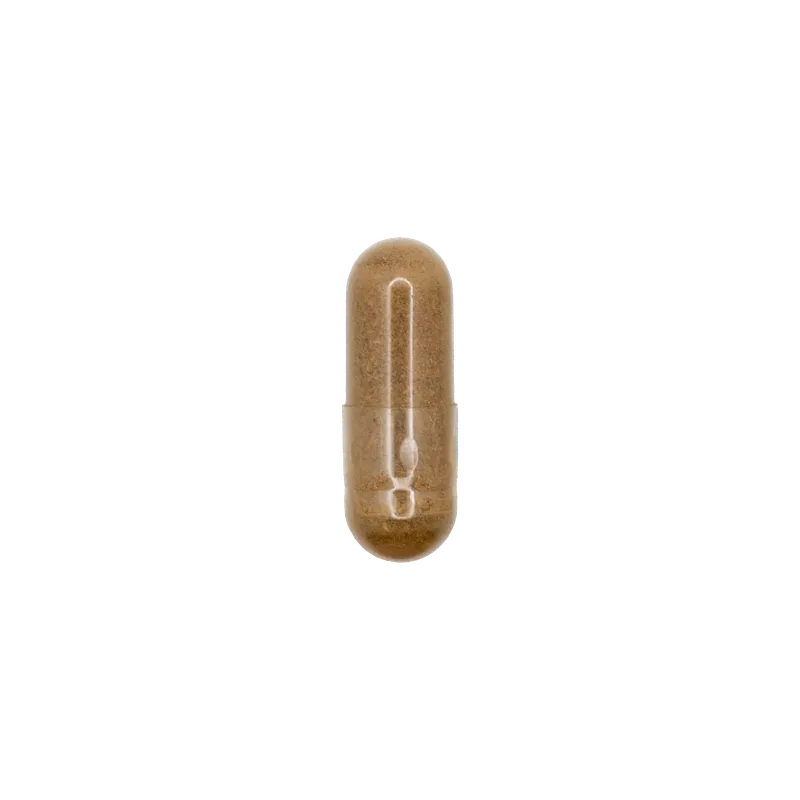
Three ashwagandha extracts together: Sensoril, NooGandha and standardized root. Ashwagandha supports a calm, balanced mood.
$60.00
$2.00 a day
Adrenal Restore Complex
Adrenal & Stress Support

Whole adrenal and adrenal cortex glandulars with vitamin C, four B vitamins, PABA and N-acetyl-L-tyrosine. Pantothenic acid supports the coenzyme A pool that adrenal steroid synthesis depends on.
$28.00
$0.93 a day
Lion's Mane
Cogition + Focus
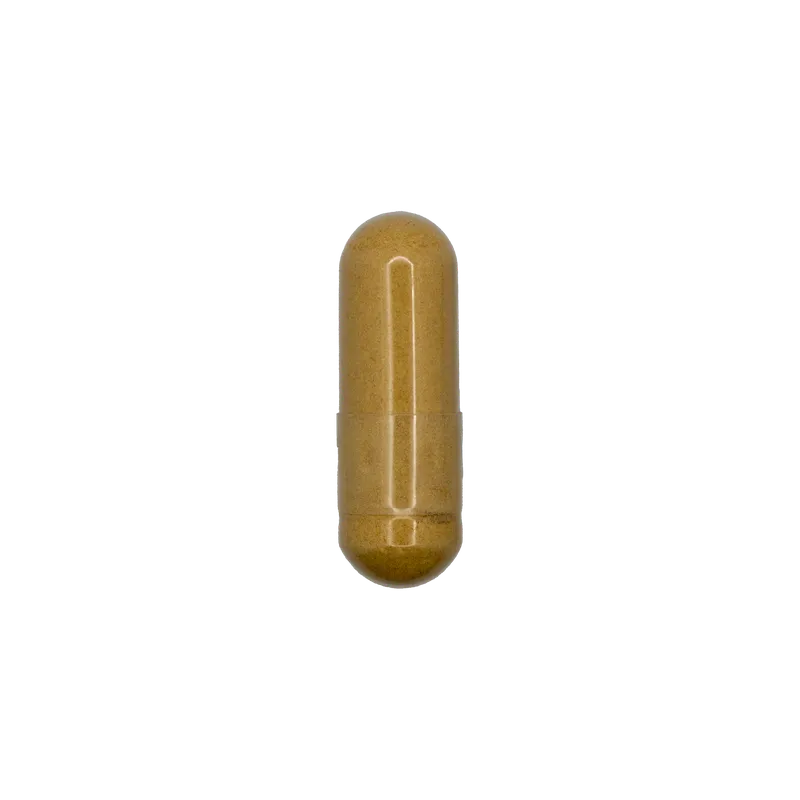
Lion's mane is a culinary and traditional mushroom, here as organic material. Its beta-glucans support normal immune function.
$28.00
$0.93 a day