
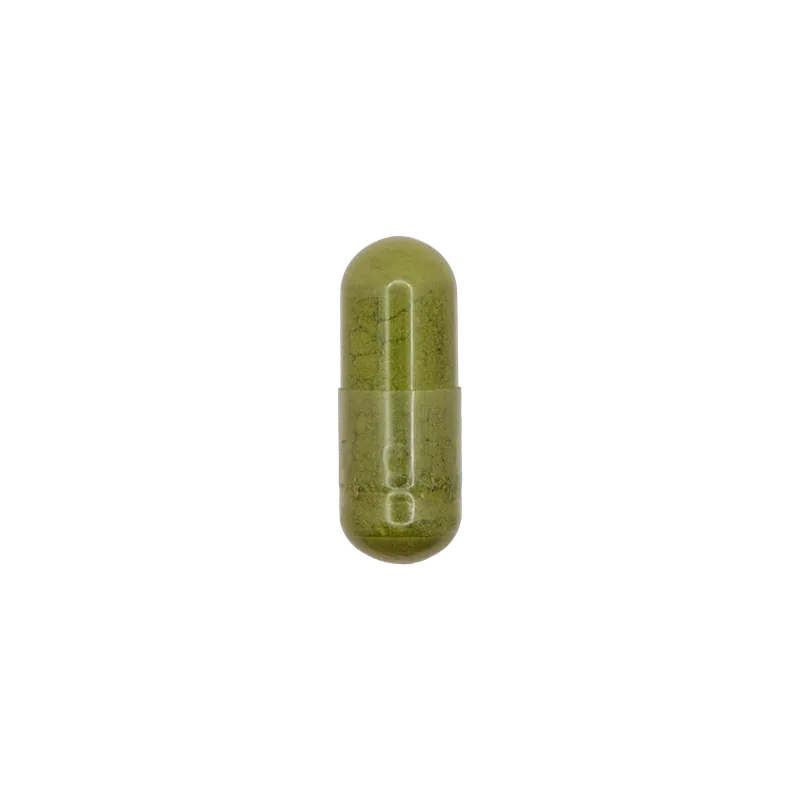
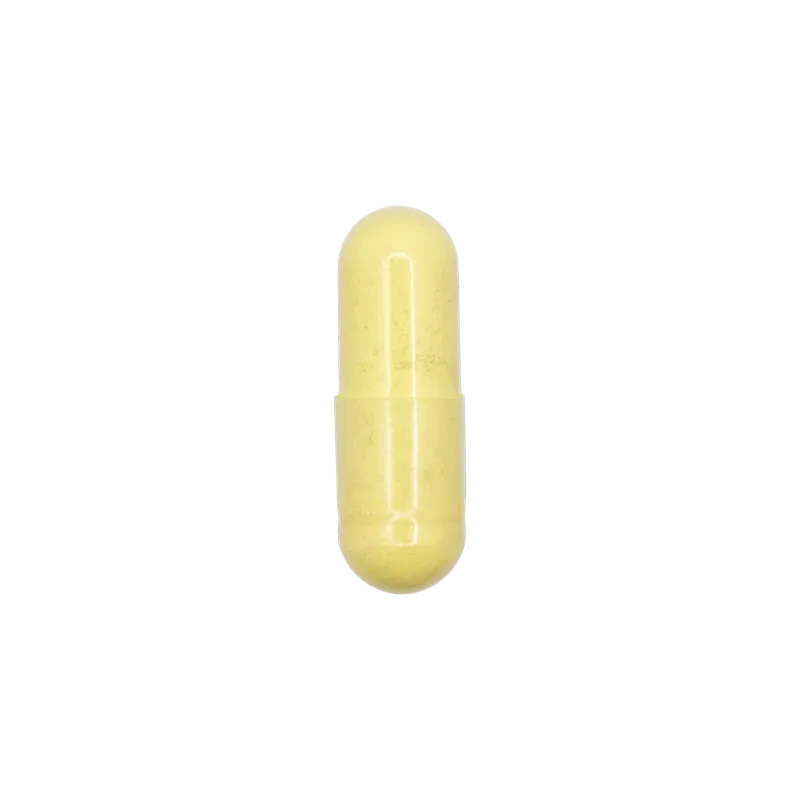
Veg Capsule
Moringa
Anti-Inflammatory Support
$36.00
$1.20 a day · 30-day supply
Moringa leaf is a nutrient-dense traditional leaf. It is traditionally taken to support a healthy inflammatory response.
In depth
About this supplement
What Is Moringa?
Moringa oleifera is a fast-growing tree from the foothills of the Himalayas, now planted across the dry tropics. Its long seed pods give it the name drumstick tree, and its roots taste of horseradish. What fills these capsules is the leaf.
How It Works in the Body
Moringa leaf sits closer to a food than to a single-compound supplement. Dried, it carries beta-carotene, vitamin C, calcium, iron and a fair amount of protein for a leaf. Its polyphenols are flavonoids — quercetin, kaempferol and isorhamnetin — along with chlorogenic acid, the compound coffee is known for.
The leaf also holds glucomoringin, a glucosinolate. Break the leaf and a plant enzyme turns it into moringin, an isothiocyanate from the same chemical family as the sharp compounds in mustard.
What It Supports
- A healthy inflammatory response: Moringa leaf is traditionally taken to support a healthy inflammatory response.
- Dietary antioxidants: Quercetin, kaempferol and chlorogenic acid are dietary antioxidants, the same ones found in onions, tea and coffee.
- Everyday greens: Dried moringa leaf is a genuine green vegetable, carrying beta-carotene, calcium and iron.
- Mustard-family chemistry: Glucomoringin puts moringa in the same chemical company as broccoli and horseradish.
Who It May Suit
It suits people who eat few dark leafy greens and want one in a simpler form, and anyone who prefers organic, single-ingredient plant material. The capsule is a vegetable polysaccharide, so it works for vegetarian and vegan eating.
Good To Know
Moringa leaf tastes green and slightly peppery, and the powder is a deep gray-green. This is leaf only. Talk with your healthcare provider before use if you take thyroid medication, since moringa may affect how levothyroxine is absorbed, or medication for blood sugar, and if you are pregnant or nursing.
At a glance
Allergens and certifications
-
01
Certified organic
-
02
Halal
-
03
Non-GMO
-
04
Gluten free
FAQ
Common questions
What is moringa?
A tree, not an herb: Moringa oleifera can put on fifteen feet in a season and thrives where rainfall is scarce. Nearly every part is used somewhere — pods as a vegetable, seeds pressed for oil — but the leaf is what fills these capsules.
How is it used?
In Indian and West African kitchens the fresh leaves go into dal, soups and stews, and the dried leaf is milled to a fine green powder. A capsule is that same powder without the taste. Moringa leaf sits closer to a dried vegetable than to a concentrated extract.
What makes this form different?
It is whole organic leaf rather than an extract, 1,000 mg per serving across two capsules, so the flavonoids, minerals and glucosinolates arrive in their natural proportions. Organic inulin, a plant fiber, and a vegetable polysaccharide capsule are the only other ingredients.
Who is it for?
People whose meals run short on dark leafy greens, plant-based eaters who want a whole-food green rather than isolated nutrients, and anyone who prefers organic material. The capsule is a vegetable polysaccharide, so it fits vegan and vegetarian eating.
What should I know before taking it?
Talk with your healthcare provider before use if you take levothyroxine or another thyroid medication, since moringa may change how much you absorb, or if you take medication for blood sugar. Only the leaf is in here; moringa root and bark are traditionally avoided in pregnancy, and the leaf has not been characterized for it either.
Ingredients
What is in it
Every ingredient, as listed on the label.
Supplement Facts
Serving Size 2 veg capsules
| Ingredient | Amount Per Serving | % DV |
|---|---|---|
| Organic Moringa (Moringa oleifera) (Leaf) | 1000 mg | † |
† Daily Value not established.
Ingredients: Vegetable Polysaccharide (capsule), Organic Inulin Powder, Silicon Dioxide.
Related
Related supplements
Spirulina
Antioxidant Support
Organic spirulina, a blue-green algae whose dry weight is mostly protein carrying all nine essential amino acids. Phycocyanin and its carotenoids support the body's antioxidant defenses.
$84.00
$2.80 a day
Grass-Fed Beef Liver
Iron & Energy Support
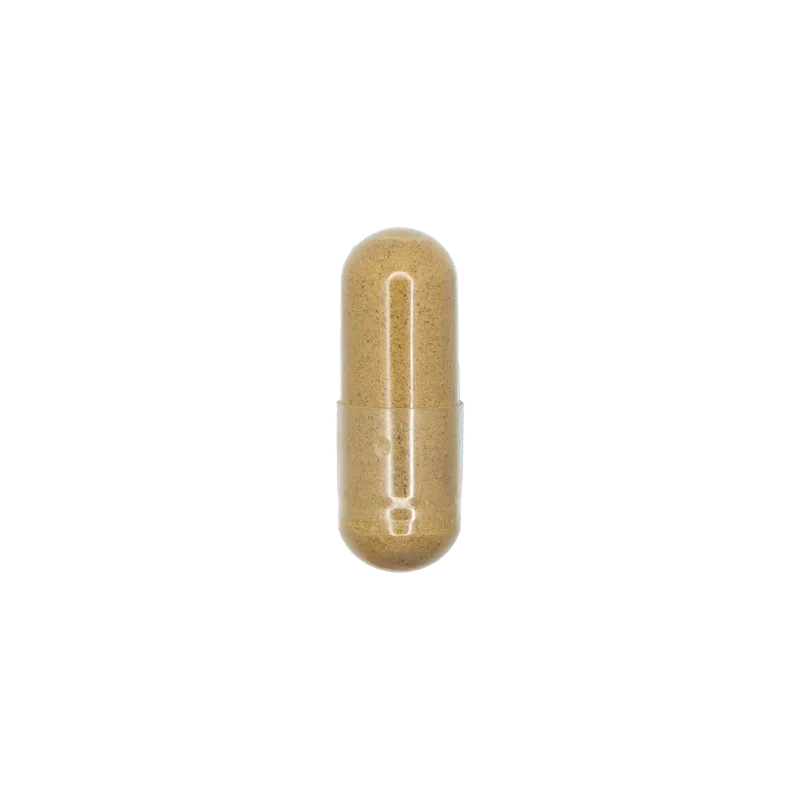
Undefatted desiccated liver from grass-fed, pasture-raised Argentine cattle. Heme iron and vitamin B12 are both required for normal red blood cell formation.
$44.00
$1.47 a day
Green Tea Extract
Antioxidant Support
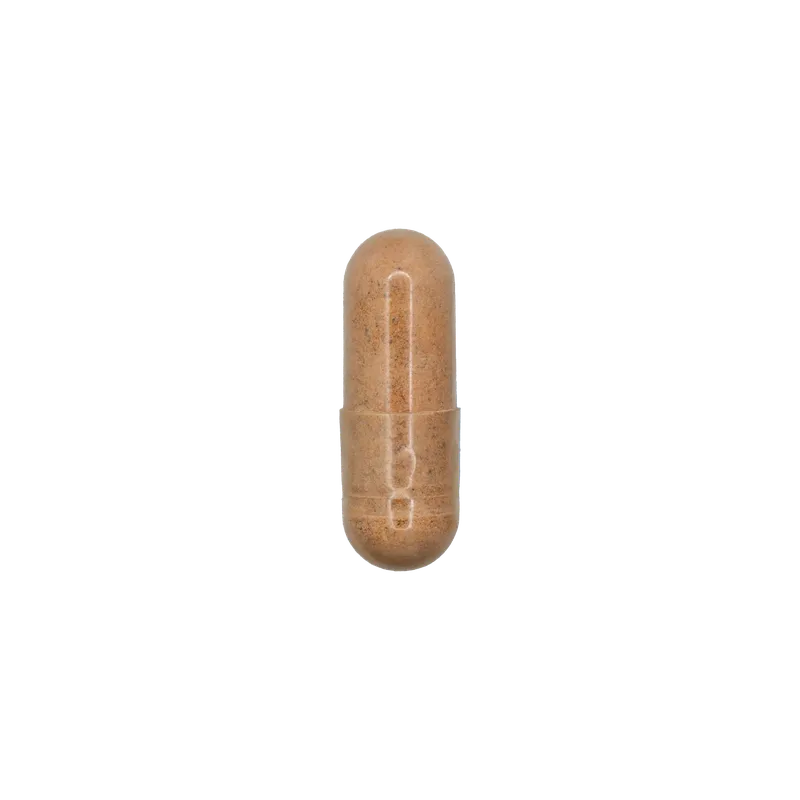
Epigallocatechin gallate (EGCg), the active compound in green tea, has been extensively researched to support weight loss and metabolic health, as will as antioxidant benefits. One capsule contains the phytonutrient content of 2-3 cups of green tea.
$16.00
$0.53 a day
Resveratrol + Quercetin Complex
Antioxidant & Heart Support
Veri-te trans-resveratrol with quercetin. The pair supports a healthy inflammatory response, and quercetin supports the everyday histamine signaling that is part of normal immune activity.
$37.00
$1.23 a day