

Tablet
DAO
Histamine Tolerance
$29.00
$0.97 a day · 30-day supply
DAO is the body's main enzyme responsible for breaking down histamine from foods. Formulated in a gastro-resistant tablet to ensure delivery to the small intestine.
In depth
About this supplement
What Is DAO?
DAO is short for diamine oxidase, an enzyme the body makes on its own. It is produced by the cells lining the small intestine. This supplement supplies the same enzyme from pig kidney, a tissue rich in it, in a tablet coated to hold together in stomach acid.
How It Works in the Body
Histamine is ordinary biology. The body makes its own and uses it as a signal. It also turns up in food, because bacteria produce it as protein breaks down in aging and fermenting.
Diamine oxidase is a copper enzyme with an unusual active site: a quinone formed from one of its own tyrosine residues, sitting next to a copper ion. It takes the amine group off histamine and leaves an aldehyde, ammonia and hydrogen peroxide. That reaction is the body's main route for handling histamine that comes in with food. It happens in the gut, not in the blood.
What It Supports
- Histamine from food: Diamine oxidase supports the body's normal handling of histamine that arrives in food.
- A copper enzyme: Diamine oxidase carries a copper ion and a quinone built from its own tyrosine.
- Where it acts: The enzyme stays in the digestive tract and works on what passes through it.
- A coated tablet: The coating stays closed in stomach acid, so the protein reaches the small intestine.
Who It May Suit
Adults whose meals lean on aged and fermented foods. The appeal here is an enzyme that acts in the gut, not a nutrient. It comes from pig kidney, so it does not suit vegetarian, vegan, kosher or halal eating.
Good To Know
Enzymes are measured by activity, not by weight, which is why this one carries a unit count beside the milligrams. Talk with your healthcare provider before use, especially if you are pregnant or nursing, or if you avoid pork. Raise ongoing digestive complaints with a clinician too, rather than working around them.
FAQ
Common questions
What is DAO?
Diamine oxidase, an enzyme. The body produces it in the lining of the small intestine, where it acts on histamine and a few related amines before they are absorbed. The supplement version is extracted from pig kidney, a tissue naturally rich in the same enzyme.
How does the enzyme work?
Copper-containing amine oxidases pull the amine group off their target and pass the electrons to oxygen. With histamine that leaves an aldehyde, ammonia and hydrogen peroxide. The reaction runs in the gut, on histamine still inside the digestive tract rather than on anything in circulation.
What is in the tablet?
One active: pig kidney extract at 4.2 mg per serving, measured both by weight and by enzyme activity in histamine-degrading units. The tablet is coated so it gets past the stomach intact, since the enzyme is a protein and stomach acid unfolds proteins.
Who is it for?
Adults whose eating leans heavily on aged and fermented foods: hard cheese, salami, wine, sauerkraut, long-fermented sauces. It is animal-derived, from pig kidney, so it is not suitable for vegetarian, vegan, halal or kosher eating, and it is not for children.
What should I know before taking it?
Talk with your healthcare provider before use, particularly if you are pregnant or nursing or have a pork allergy, since the enzyme is a pig protein. Ongoing digestive symptoms deserve a proper look from a clinician rather than an enzyme, so raise those with your provider as well.
Ingredients
What is in it
Every ingredient, as listed on the label.
Supplement Facts
Serving Size 1 tablet
| Ingredient | Amount Per Serving | % DV |
|---|---|---|
| Pig Kidney Extract (providing 20,000 HDU diamine oxidase (DAO)) | 4.2 mg | † |
† Daily Value not established.
Ingredients: Microcrystalline cellulose, hydroxypropyl cellulose, L-Leucine, Silicon Dioxide, coating (ethylcellulose, sodium alginate, hydroxypropyl methylcellulose,medium-chain triglycerides, stearic acid, oleic acid, and microcrystalline cellulose), sodium starch glycolate, magnesium stearate.
Related
Related supplements
Betaine HCl Plus
Enzymatic & Digestion Support
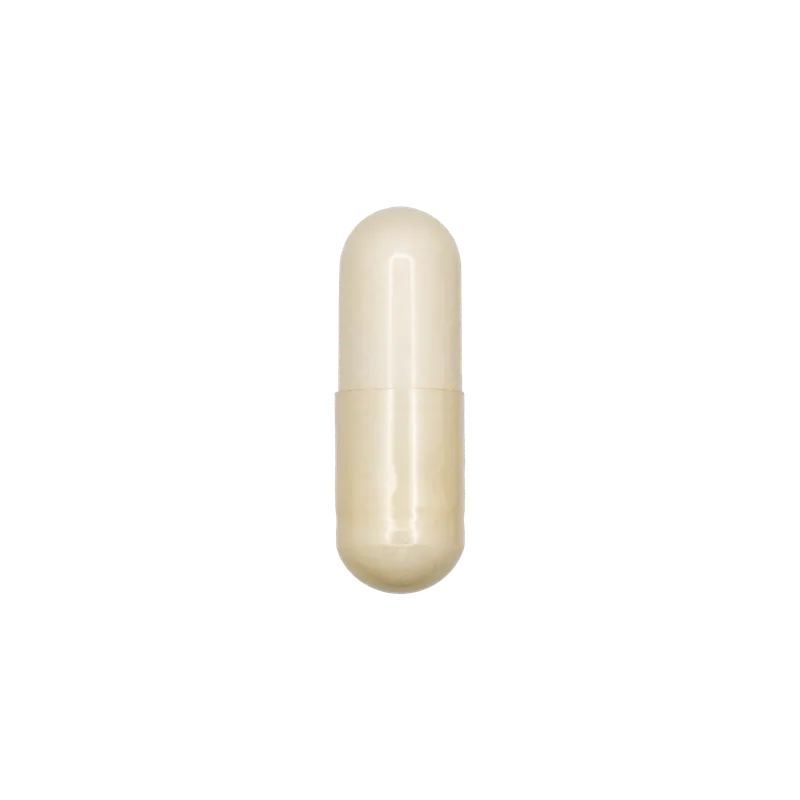
Betaine hydrochloride with pepsin. Betaine hydrochloride supports the acid conditions pepsin needs to begin breaking down protein.
$16.00
$0.53 a day
Digestive Enzymes
Digestion Support
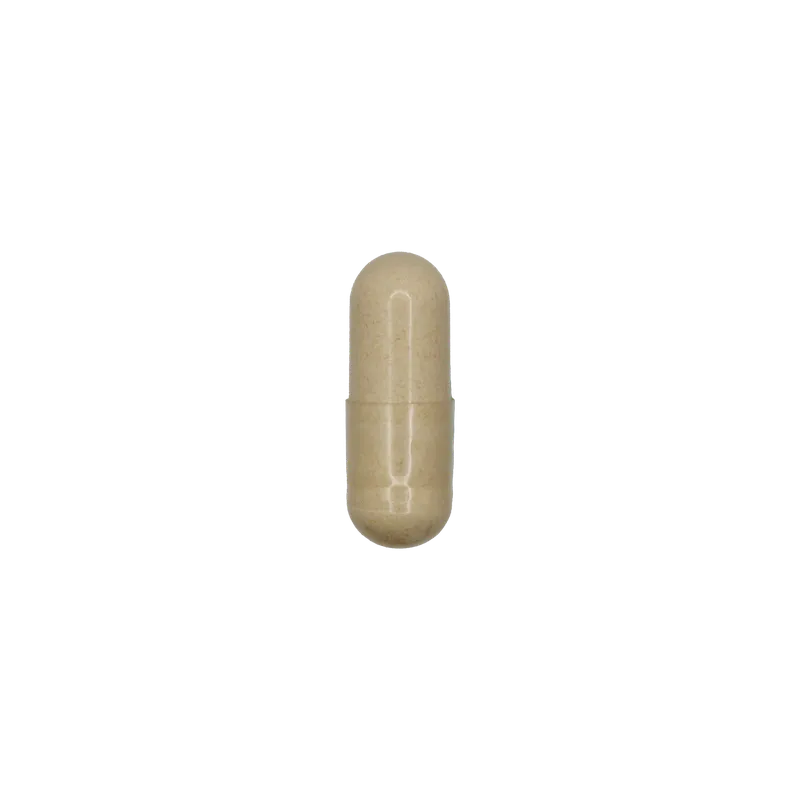
A comprehensive blend of enzymes formulated to support digestion and nutrient absorption.
$28.00
$0.93 a day
Digestive Enzymes + HCl
Digestion Support
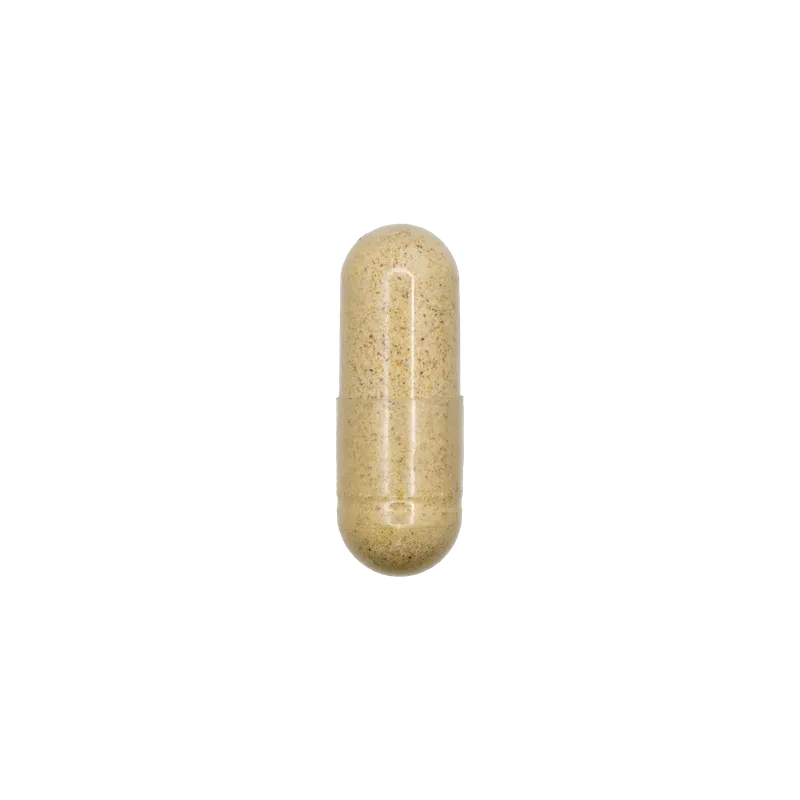
A blend of enzymes, ox bile and betaine HCL to support digestion and nutrient absorption.
$32.00
$1.07 a day
Ginger Root
Digestive Support
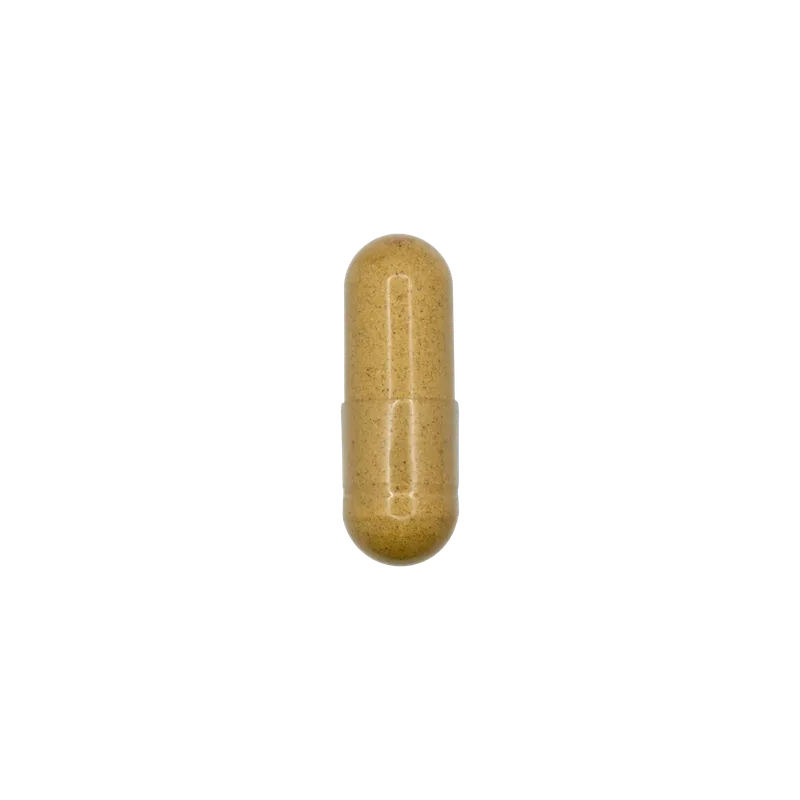
Ginger is a traditional culinary and herbal root. Gingerols and shogaols act on the stomach and gut wall, so ginger supports normal digestive function.
$16.00
$0.53 a day