

Softgel
Krill Oil
Anti-Inflammatory Support
$16.00
$0.53 a day · 30-day supply
Krill oil carries omega-3 fatty acids bound to phospholipids, alongside the carotenoid astaxanthin. Supports the structure of cell membranes and normal cardiovascular function.
In depth
About this supplement
What Is Krill Oil?
Krill are small, shrimp-like crustaceans that swarm in the cold water around Antarctica. This oil is pressed from one species of them, Euphausia superba. It is deep red, and that color is astaxanthin, a carotenoid the krill pick up from the algae they graze on.
How It Works in the Body
Two things set krill oil apart. Its EPA and DHA sit on phospholipids rather than on a plain fat backbone, the same class of molecule your cell membranes are built from. Those phospholipids carry choline with them.
The astaxanthin is esterified, meaning a fatty acid is attached, which keeps it dissolved in the oil. Astaxanthin is an antioxidant: it hands electrons to unstable molecules so they stop pulling electrons out of membranes.
What It Supports
- Cell membranes: Phospholipids, at 450 mg per serving, support the structure of membranes throughout the body.
- Heart and circulation: The EPA and DHA in Krill Oil support normal cardiovascular function.
- Antioxidant defense: Astaxanthin supports the body's defenses against oxidative stress.
- Brain: DHA is concentrated in brain tissue and supports normal brain function.
- Choline: Krill phospholipids carry choline, which the body uses to build membranes and acetylcholine.
Who It May Suit
This suits people who would rather get marine omega-3 fats from something other than a fish oil, and anyone drawn to the phospholipid form. Krill are crustaceans, so it does not suit anyone with a shellfish allergy, and the softgel is bovine gelatin.
Good To Know
Astaxanthin is measured in micrograms, at 360 mcg per serving, because carotenoids act at small amounts. Talk with your provider before use if you have a shellfish allergy, or if you take a blood thinner, since omega-3 fats change how platelets stick together.
At a glance
Allergens and certifications
-
01
Non-GMO
-
02
Halal
-
03
Gluten free
-
04
Dairy free
-
05
Egg free
-
06
Soy free
FAQ
Common questions
What is krill oil?
It is the oil from Antarctic krill, Euphausia superba, a small crustacean that lives in enormous swarms in the Southern Ocean. The oil is naturally red because krill accumulate astaxanthin from the algae they feed on. This one is the NKO brand of krill oil, in a softgel.
How does it work in the body?
The EPA and DHA arrive attached to phospholipids, the two-tailed molecules that make up cell membranes, and choline comes along as part of that structure. Astaxanthin is fat-soluble, so it sits within the oil itself and donates electrons to unstable molecules that would otherwise take them from membrane fats.
What makes this formula different?
Most marine oils carry their omega-3 fats on a plain fat backbone; in krill the same EPA and DHA occupy the tail positions of phospholipids. The carotenoid comes with it: esterified astaxanthin is listed at 360 mcg per serving, and phospholipids at 450 mg per serving.
Who is it for?
It suits people who want marine omega-3 fats from a source other than fish, and anyone interested in the phospholipid form and the astaxanthin that comes with it. It is not vegetarian or vegan. Krill are crustaceans, so anyone with a shellfish allergy should avoid it.
What should I know before taking it?
Krill is shellfish, which is the single most important thing to check. Marine omega-3 fats also change how platelets stick together, which matters around surgery and alongside anticoagulant medication. Talk with your provider before use if you take a blood thinner, have surgery scheduled, or have a shellfish allergy.
Ingredients
What is in it
Every ingredient, as listed on the label.
Supplement Facts
Serving Size 2 softgels
Calories 10
| Ingredient | Amount Per Serving | % DV |
|---|---|---|
| Total Fat | 1 g | 1%* |
| Krill Oil (NKO®) | 1 g | † |
| Omega-3 Fatty Acids | 250 mg | † |
| Eicosapentaenoic Acid (EPA) | 135 mg | † |
| Docosahexaenoic Acid (DHA) | 60 mg | † |
| Phospholipids | 450 mg | † |
| Esterified Astaxanthin | 360 mcg | † |
* Percent Daily Values are based on a 2,000 calorie diet.
† Daily Value not established.
Ingredients: Softgel Capsule [bovine gelatin (BSE-free), glycerin, water].
Related
Related supplements
Cod Liver Oil
Immune Support

Cod liver oil is rich in omega-3 fatty acids, vitamin A, and vitamin D. Together, these nutrients support immune health, bone health, and cardiovascular wellness.
$12.00
$0.40 a day
Omega 3 - Triglyceride 1000
Heart & Brain Support

Omega-3 fats in the triglyceride form, with natural flavor. The omega-3 fats in this oil support normal heart and blood vessel function.
$35.00
$1.17 a day
Nattokinase
Vascular Health
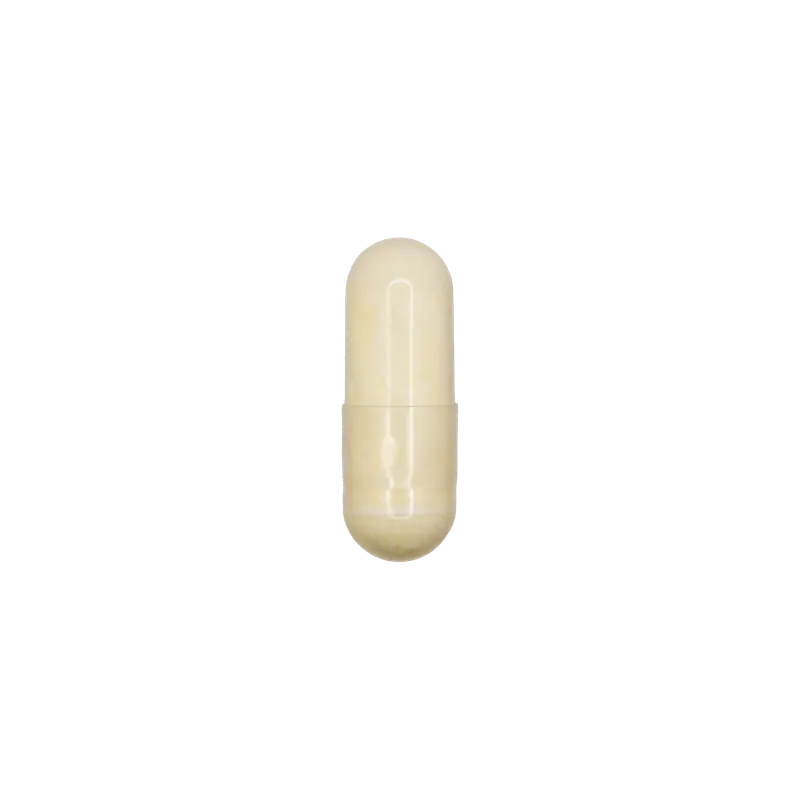
Supports healthy fibrin levels, the smooth flow of blood, and healthy blood pressure already within the normal range.
$48.00
$1.60 a day
Red Yeast Rice
Cholesterol Support
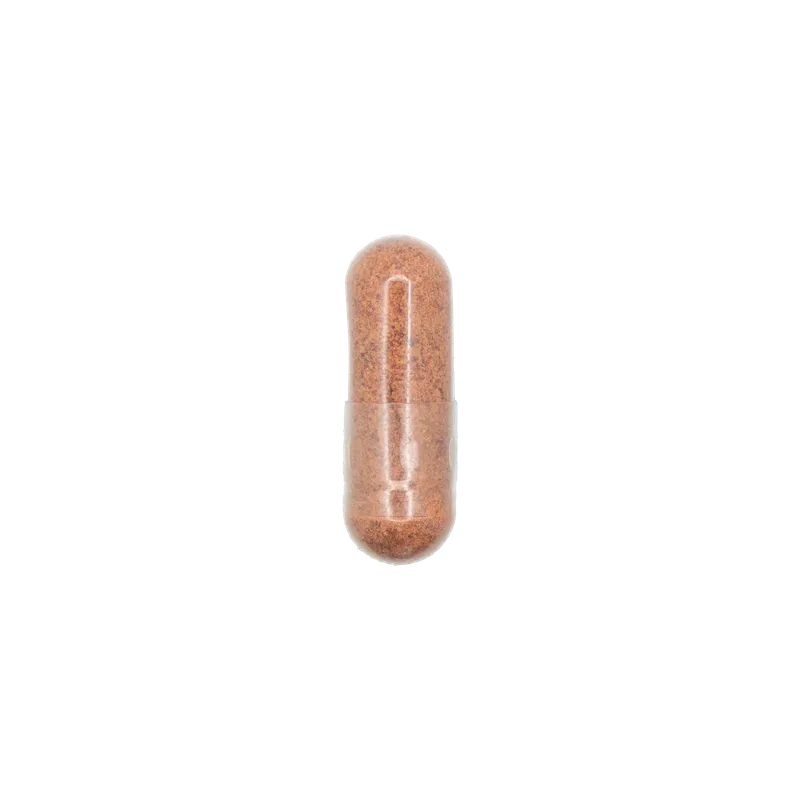
Red yeast rice is rice fermented with Monascus purpureus, produced by a controlled fermentation that keeps citrinin out. Supports cholesterol levels already within the normal range.
$24.00
$0.80 a day