
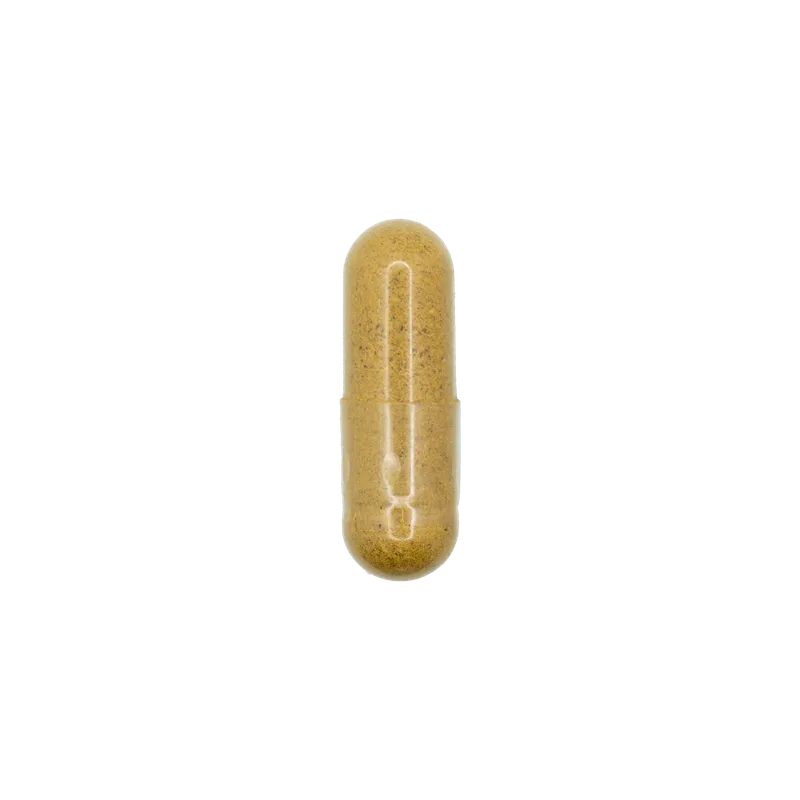
Veg Capsule
Cascara Sagrada
Gut Health
$12.00
$0.40 a day · 30-day supply
Cascara sagrada is a traditional herb used to promote bowel regularity.
In depth
About this supplement
What Is Cascara Sagrada?
The bark of a small tree of the Pacific Northwest, Rhamnus purshiana. The name is Spanish for sacred bark. Stripped bark is dried and aged, usually a year or more, before it is considered ready.
How It Works in the Body
The bark's characteristic compounds are hydroxyanthracene glycosides: the cascarosides, A through D, with the aloins alongside them. Each is a three-ring anthracene core with sugars attached. The aging step is chemistry rather than ceremony. In fresh bark these compounds sit largely as anthranols, and a year of storage, or a gentle heat-treatment in its place, converts them to the anthraquinone forms that aged bark is known for. Their sugars hold the molecules intact through the upper gut, and bacteria in the lower intestine take those sugars off.
What It Supports
- A traditional bark: Cascara sagrada has a long record of traditional use in North American herbal practice, where it supports regularity.
- Aged, not fresh: The bark has been through the aging step that traditional preparation calls for.
- The lower intestine: Its glycosides travel intact through the upper gut, and gut bacteria act on them further down.
Who It May Suit
People who prefer one traditional botanical to a blend, and who want plant material itself rather than an isolated compound. A serving is one capsule. The capsule is plant cellulose and the stearic acid comes from a vegetable source, so it suits vegetarian and vegan eating.
Good To Know
Cascara belongs to the same group of anthraquinone-bearing plants as senna and aloe, and it is not one for routine or long-term use. Talk with your healthcare provider before use, and do not use it if you are pregnant or breastfeeding or if you have a bowel condition. Long or repeated use of these plants can affect how the bowel works and can lower potassium, which matters if you take digoxin or a diuretic.
At a glance
Allergens and certifications
-
01
Vegan
-
02
Kosher
-
03
Halal
-
04
Non-GMO
-
05
Gluten free
FAQ
Common questions
What is cascara sagrada?
The aged bark of Rhamnus purshiana, a small tree of the Pacific coast of North America. Spanish-speaking settlers called it sacred bark, and indigenous peoples of the region used it long before that. The bark is stripped, dried, and then stored for a year or more before it is used.
How does it work?
Its characteristic molecules are hydroxyanthracene glycosides, mainly the cascarosides, which are anthraquinone structures with sugars attached. Those sugars keep them intact through the stomach and small intestine. Bacteria further down the gut remove them. Aging the bark first converts the anthranols of fresh bark into anthraquinones.
What makes this form different?
It is whole cut bark, 450 mg per serving, rather than an extract standardized for cascaroside content. The only other ingredients are the plant cellulose capsule and vegetable stearic acid. One capsule is a serving, and the bark is the only active.
Who is it for?
People who prefer a single traditional botanical to a formula, and who want the bark itself rather than an isolated compound or a concentrated extract. The capsule is plant-based and no ingredient is animal-derived, so vegetarian and vegan eating is covered.
What should I know before taking it?
This is not a botanical for routine or long-term use. Talk with your healthcare provider before use, and avoid it in pregnancy and breastfeeding, in childhood, and if you have a bowel condition. Extended use of anthraquinone plants can affect how the bowel works and can lower potassium, which matters if you take digoxin or a diuretic.
Ingredients
What is in it
Every ingredient, as listed on the label.
Supplement Facts
Serving Size 1 veg capsule
| Ingredient | Amount Per Serving | % DV |
|---|---|---|
| Cascara Sagrada (Rhamnus purshiana) (Bark) | 450 mg | † |
† Daily Value not established.
Ingredients: Hypromellose (cellulose capsule), Stearic Acid (vegetable source).
Related
Related supplements
Senna Leaves
Gut Health
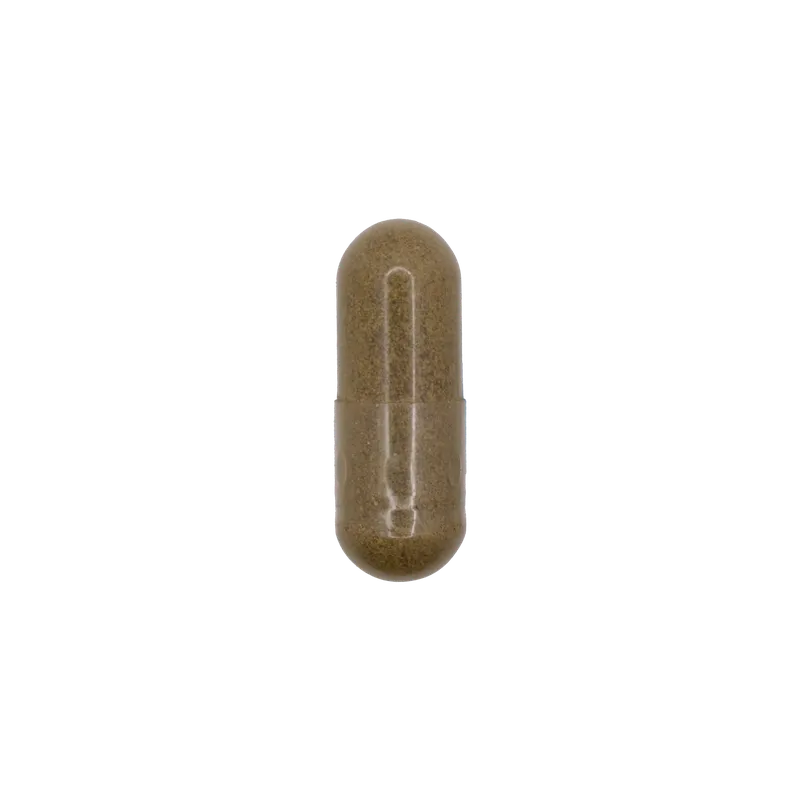
Organic senna leaf, milled whole rather than extracted. Senna is one of the older botanicals in continuous herbal use, and it supports regularity.
$6.00
$0.20 a day
Glucomannan
Weight Loss Support
Glucomannan is a viscous soluble fiber from konjac. A viscous gel takes up room and leaves the stomach slowly, which supports the ordinary feeling of fullness.
$48.00
$1.60 a day
Magnesium Citrate
Nervous System Support
Magnesium acts as a cofactor in hundreds of enzyme reactions, including every one that spends ATP. The citrate form also supports regularity.
$10.00
$0.33 a day
Magnesium Oxide 420mg
Muscle & Nerve Support
Magnesium oxide supplying 420 mg of magnesium per serving. Magnesium supports normal muscle and nerve function, and magnesium that stays in the gut holds water there, which supports regularity.
$9.00
$0.30 a day
Psyllium Husk
Digestive Support
Psyllium husk swells many times its volume in liquid. It supports regularity by holding water in the stool and keeping it soft and bulky.
$24.00
$0.80 a day