
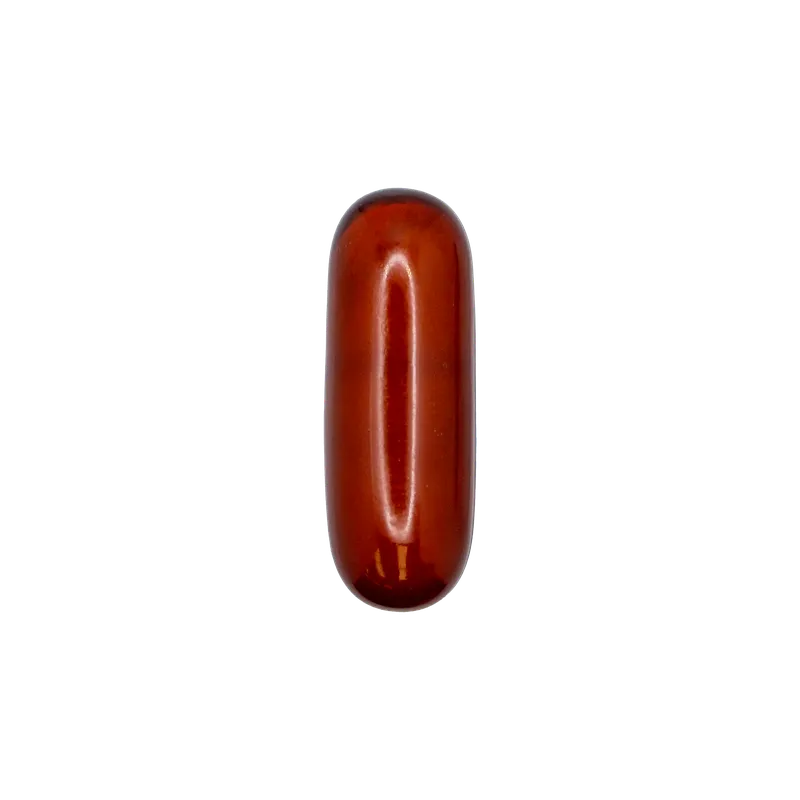
Softgel
Berberine
Blood Sugar Balance
$20.00
$0.67 a day · 30-day supply
Berberine from Berberis aristata bark, suspended in MCT oil. Supports glucose metabolism already in the normal range, and the capric acid in that oil plays a role in normal energy metabolism.
In depth
About this supplement
What Is Berberine?
Berberine is a bright yellow alkaloid made by barberry, goldenseal, Oregon grape and coptis. This one comes from the bark of Berberis aristata, the Indian barberry, a thorny Himalayan shrub with yellow wood. It arrives here as berberine HCl, the salt form.
How It Works in the Body
Berberine is an isoquinoline alkaloid, a plant compound built around a nitrogen-containing ring and carrying a positive charge.
Its chemistry explains the format. A compound that resists water needs a carrier, so this softgel suspends the berberine in MCT oil, with capric acid in the mix.
What It Supports
- Glucose metabolism: Berberine supports glucose metabolism already in the normal range.
- A traditional bark: Berberis aristata bark — daruharidra — is a long-standing material in Ayurvedic practice.
- Medium-chain fats: Capric acid is a ten-carbon fat from MCT oil, and it plays a role in normal energy metabolism.
- A plant dye: Berberine-rich wood colored wool and leather long before anyone milled it into a supplement.
- Bitter by nature: Bitterness is berberine's signature, and bitter plants have a long place in herbal tradition.
Who It May Suit
It suits people who want a single, well-defined plant alkaloid rather than a blend, and who are comfortable with an oil-based softgel. That softgel is bovine gelatin, so it does not fit vegetarian or vegan eating.
Good To Know
Berberine asks for more caution than most botanicals. Talk with your healthcare provider before use if you take any prescription medication: berberine blocks CYP3A4 and P-glycoprotein, the enzyme and the transporter that clear much of what is prescribed, so it can raise drug levels in your blood. Do not use it if you are pregnant or nursing, since berberine reaches the infant and can displace bilirubin.
At a glance
Allergens and certifications
-
01
Halal
-
02
Gluten free
FAQ
Common questions
What is berberine?
A yellow alkaloid made by several unrelated plants: barberry, goldenseal, Oregon grape, coptis and tree turmeric among them. In this product it comes from the bark of Berberis aristata, a thorny Himalayan shrub whose inner wood is a startling yellow. The form used is berberine HCl, the hydrochloride salt.
How does it work in the body?
Berberine works mainly in the gut, where most of a serving stays rather than circulating. That keeps it in prolonged contact with the gut lining and with the microbial community that lives there. Its activity therefore starts in the digestive tract rather than in the bloodstream, which is unusual for a plant compound taken by mouth.
What makes this form different?
It is a softgel rather than a dry capsule. There is 400 mg of berberine HCl from Berberis aristata bark and 700 mg of MCT oil per serving, with capric acid in the mix. The berberine is suspended in that oil rather than pressed dry.
Who is it for?
Adults who want one clearly identified plant compound rather than a botanical blend, and who do not mind an oil-based softgel. The shell is bovine gelatin, so it suits neither vegetarian nor vegan eating, and anyone avoiding beef-derived ingredients should look elsewhere.
What should I know before taking it?
More than with most botanicals. Berberine interferes with CYP3A4 and P-glycoprotein, the systems that clear a large share of prescription drugs, so talk with your healthcare provider before use if you take anything regularly — cyclosporine and other narrow-margin medications especially. Avoid it in pregnancy and while nursing.
Ingredients
What is in it
Every ingredient, as listed on the label.
Supplement Facts
Serving Size 1 softgel
Calories 5
| Ingredient | Amount Per Serving | % DV |
|---|---|---|
| Total Fat | 0.5 g | <1%* |
| Saturated Fat | 0.5 g | 3%* |
| Berberine HCl | 400 mg | † |
| (from Berberis aristata bark) | ||
| MCT Oil (Medium-Chain Triglycerides) | 700 mg | † |
| Capric Acid (C10) (from MCT Oil) | 238 mg | † |
* Percent Daily Values are based on a 2,000 calorie diet.
† Daily Value not established.
Other Ingredients: Softgel Capsule [bovine gelatin (BSE-free), glycerin, water, caramel color], Beeswax, Sunflower Lecithin.
Related
Related supplements
Berberine HCl
Metabolic & Glucose Support
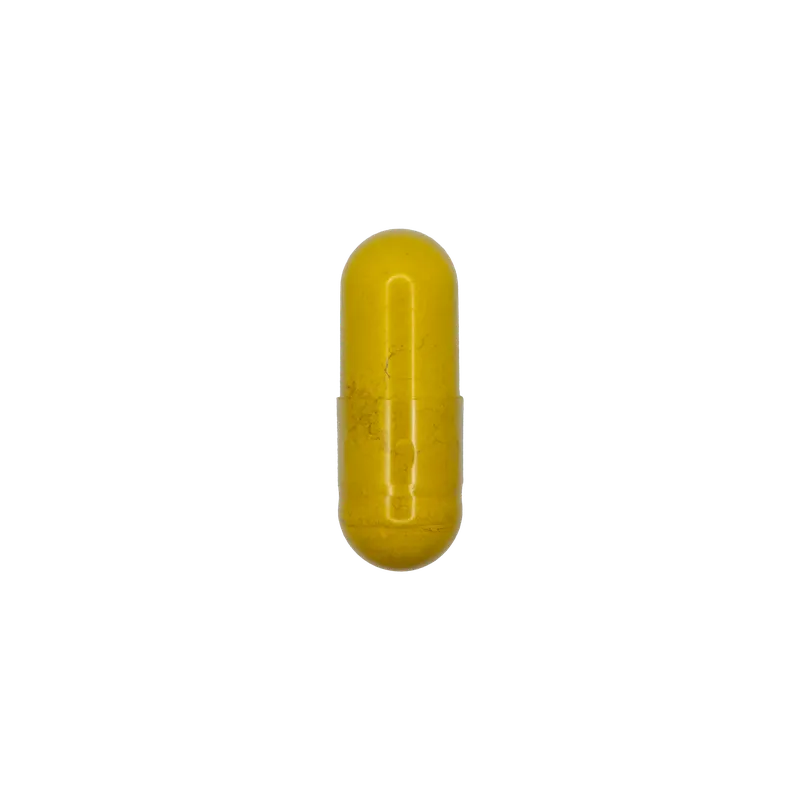
A concentrated berberine hydrochloride from Berberis aristata bark, daruharidra in Ayurvedic practice. Supports glucose metabolism already in the normal range.
$56.00
$1.87 a day
Berberine Plus
Blood Sugar & Metabolic Support
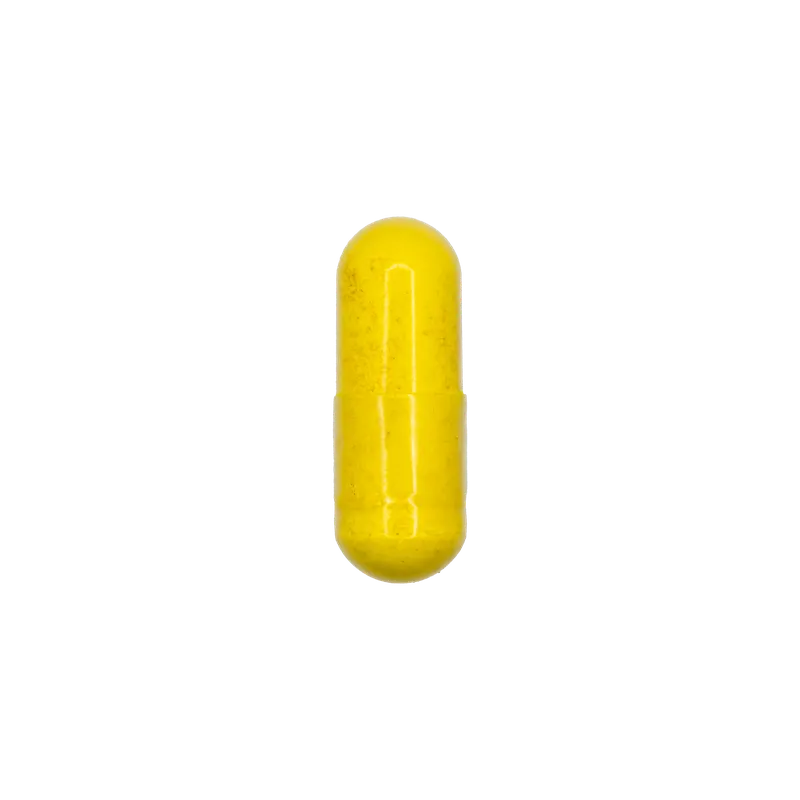
Berberine HCl from Berberis aristata with alpha lipoic acid. Both support glucose metabolism already in the normal range, and alpha lipoic acid supports the body's antioxidant defenses.
$30.00
$1.00 a day
Dihydroberberine
Supports Glucose Levels
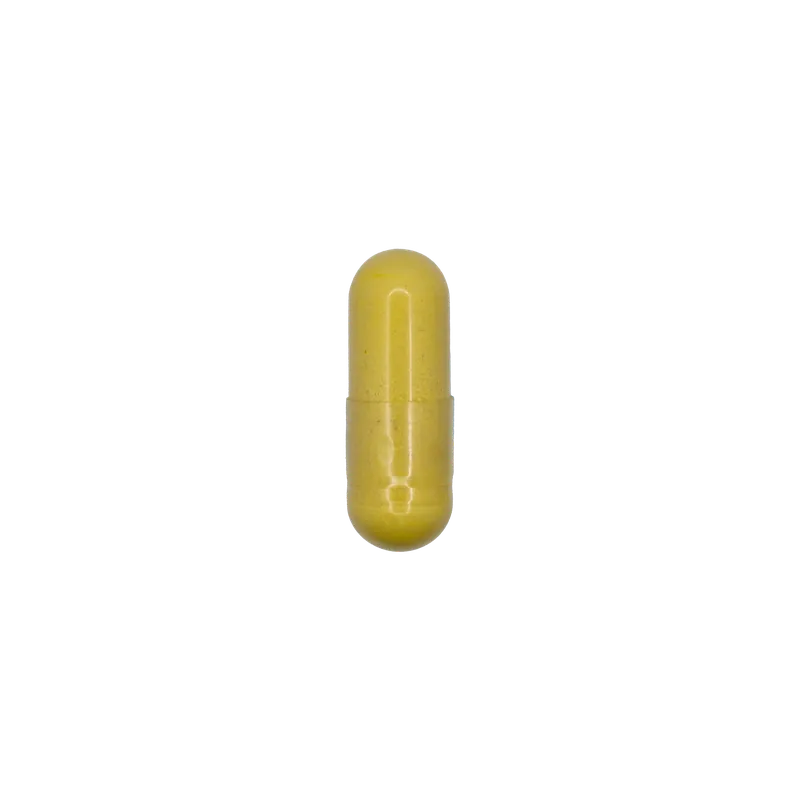
Dihydroberberine as GlucoVantage, from Berberis aristata root: berberine plus two hydrogens, the form gut bacteria make. Supports glucose metabolism already in the normal range.
$30.00
$1.00 a day
Alpha Lipoic Acid
Antioxidant Support
Alpha lipoic acid is a sulfur-containing fatty acid and an enzyme cofactor. Pyruvate dehydrogenase cannot run without lipoamide, so it plays a role in normal energy metabolism.
$18.00
$0.60 a day
Chromium Picolinate
Blood Sugar Balance
Chromium is an essential trace mineral. It supports glucose metabolism already in the normal range.
$10.00
$0.33 a day